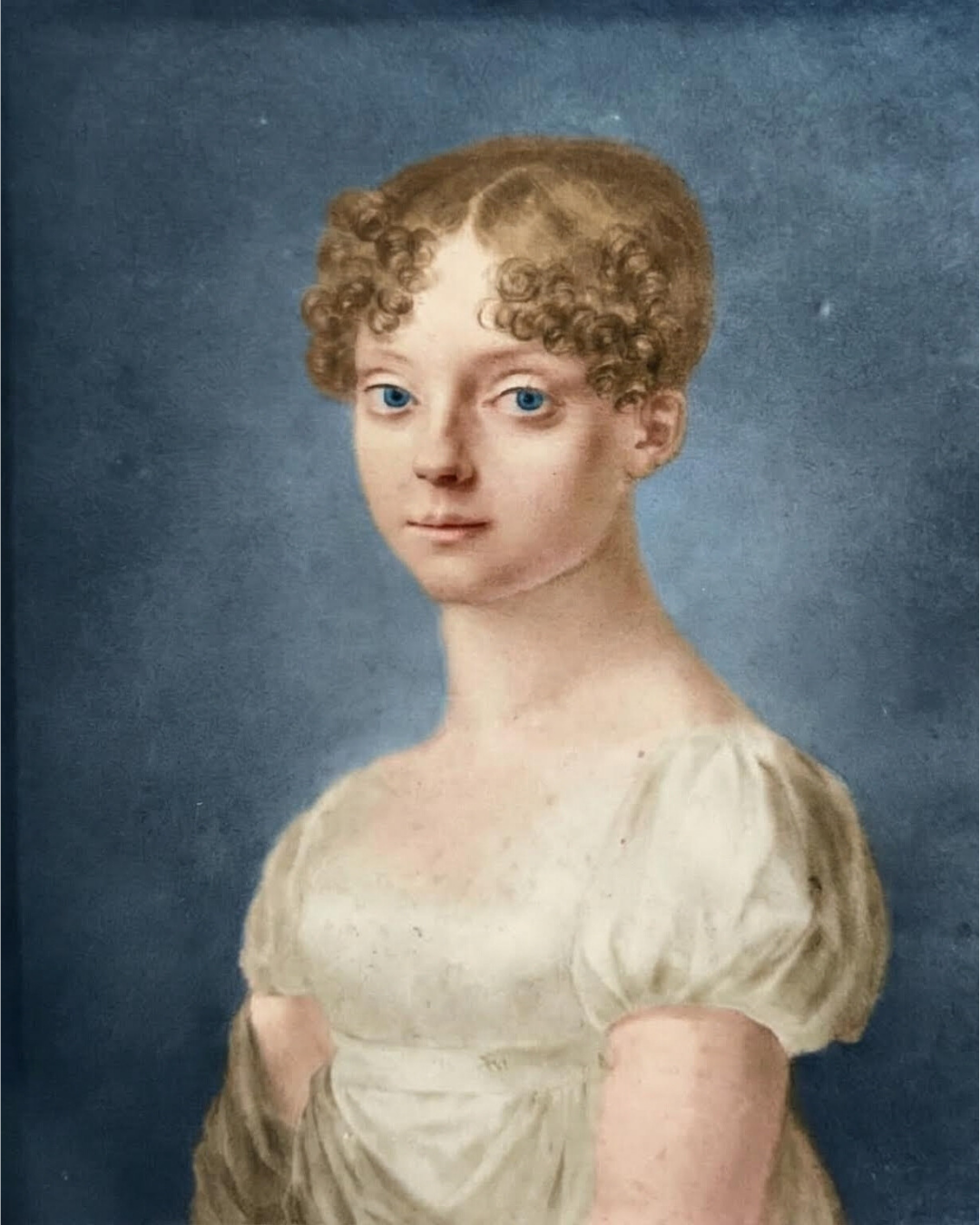
What if the scandal wasn’t the whole story?
Posted on April 30, 2026 in Butterfly Games, Characters, Jacquette, Newsletter
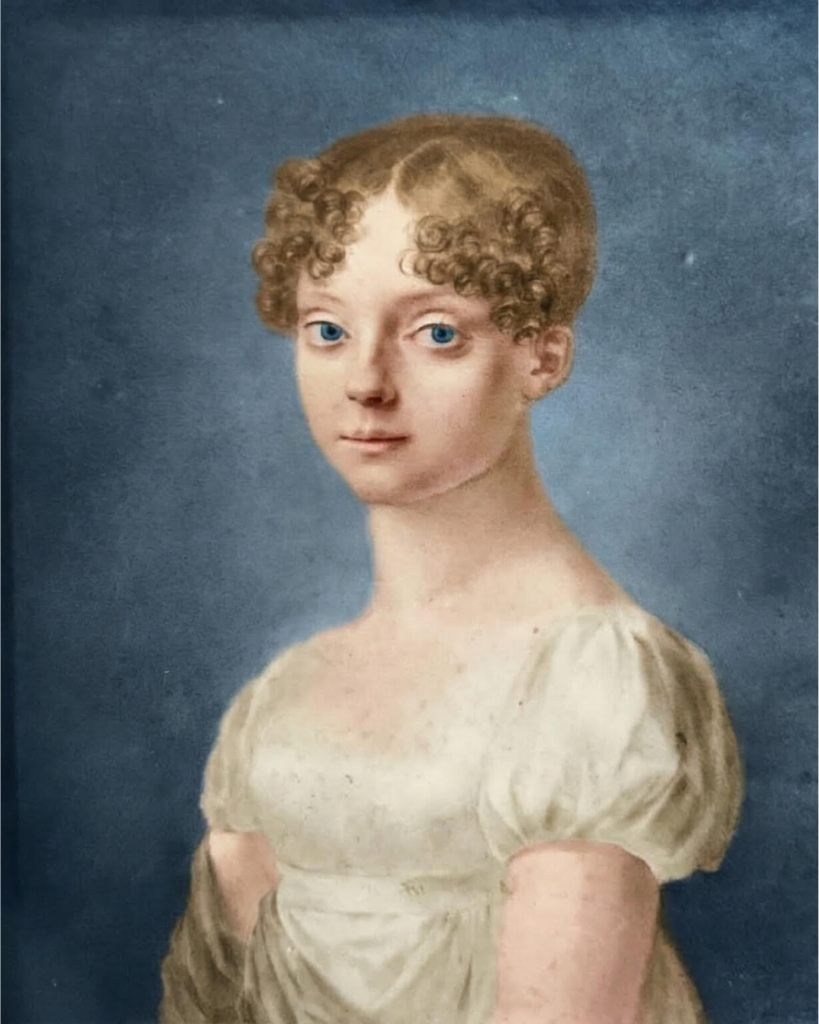
When I first came across Jacquette Gyldenstolpe, I wasn’t struck by what history said about her.
I was struck by what it didn’t.
Here was a woman who lived at the center of power in early 19th-century Sweden—a countess moving in royal circles, entangled in a relationship with the heir to the throne. A woman whose daily life brought her face-to-face with leaders in politics, the royal family, and the fragile balance of reputation and influence.
And yet, what survived of her story?
Not her perspective. Not her voice. Not even a full accounting of her life was published until my good friend, Anna-Lena Berg, published a biography of Jacquette in 2022 (in Swedish).
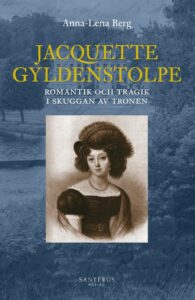
What endured of Jacquette’s life—just look at Wikipedia—was scandal. Why?
This is something I’ve seen again and again, not just in Jacquette’s story, but across centuries of history. When a woman dares to step outside the boundaries set for her—when she reaches too high, speaks too boldly, loves too dangerously—there is a forceful response from the people (usually men) in power.
She must be contained.
Not always through force. Often through narrative.
Her achievements are minimized. Her motives are questioned. And very often, her story is rewritten through the lens of moral failure.
We see it in the Tudor court, where Elizabeth I—one of the most powerful women in history—was dogged by rumor and innuendo simply for refusing to marry. We see it in the story of Jane Boleyn, remembered less for her political survival than for the role she was made to play in scandal. We see it in countless women whose proximity to power made them both fascinating and threatening.
And we see it in Jacquette.
Long before she met Prince Oscar, long before her life became entwined with the Swedish royal family, there was already a narrative forming around her. A sense that she was not quite acceptable. Not quite safe. Not quite what a woman should be. That she was no different from her mother, her aunt, her grandmother. A scandal.
By the time history had finished with her, that narrative had hardened into something definitive.
But here’s the thing I kept coming back to as I wrote Butterfly Games:
Who gets to decide what a life means?
Is it the people who lived it?
Or the people who wrote about it—often decades later, often with their own agendas, and almost always from men in positions of power?
As a writer—and, perhaps, as a former lawyer—I found myself drawn into the question of evidence. What is fact? What is interpretation? What is rumor that has calcified into “truth” simply because it has been repeated often enough?
The deeper I went into Jacquette’s world, the more I found fragments that told a different story. Letters. Contemporary accounts. Small details that didn’t quite align with the version history had handed down.
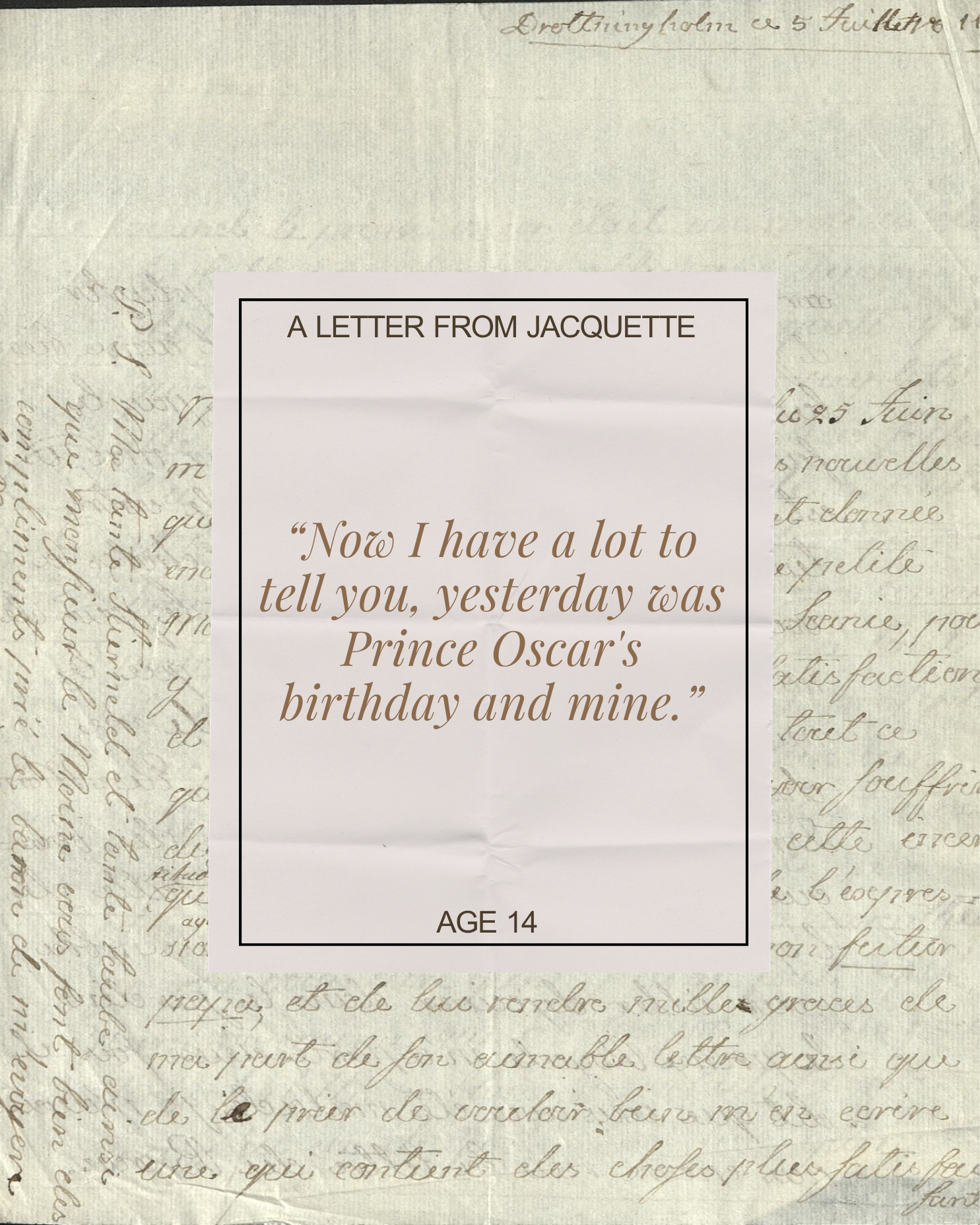
And in those spaces, those inconsistencies, those unknowns—that’s where the novel began.
Because fiction, at its best, doesn’t overwrite history.
It interrogates it.
It asks: what if there was more to this woman than the version we’ve been given?
What if the scandal wasn’t the whole story—but a convenient one?
Jacquette became, for me, not just a historical figure, but a lens through which to explore a larger pattern—one that stretches from hundreds of years ago straight into our own time.
Because if you look closely, you’ll see it hasn’t disappeared.
The methods may have evolved. The language may be more subtle.
But the instinct to use scandal to reduce complex, ambitious women to something simpler—something more containable—remains.
And that, more than anything, is why I wrote her story.
If you’re drawn to stories about women navigating power, reputation, and impossible choices, you’ll find Jacquette’s world waiting for you in Butterfly Games.